
Mahmud Kamal Anamul Haque
Bangladesh, a South Asian country crisscrossed by numerous rivers, is highly susceptible to floods due to its geographical location and low-lying topography. While seasonal floods are part of the natural cycle and contribute to the fertility of its agricultural land, unwanted floods have become a recurring crisis, bringing widespread destruction and suffering. In recent years, these floods have intensified due to climate change, urbanization, and poor management, warranting urgent attention and action.
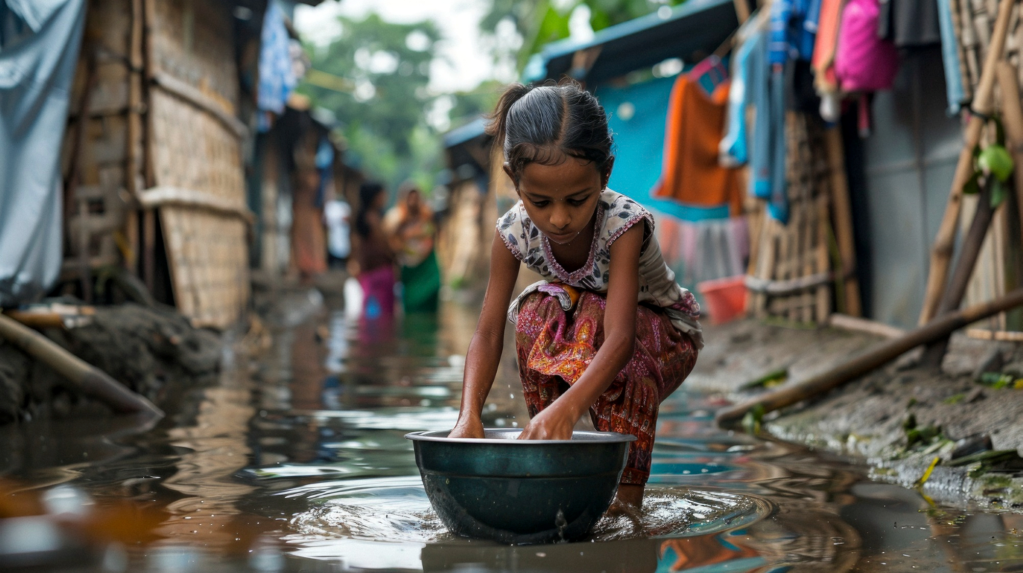
History of Unwanted Floods in Bangladesh
The history of floods in Bangladesh is deeply intertwined with its geography and climate. Some of the most devastating floods in recent decades include:
Flood of 1988: This catastrophic flood inundated nearly 60% of the country, displacing millions and causing extensive damage to crops, infrastructure, and livelihoods. It highlighted the vulnerability of the country’s flood management systems.
Flood of 1998: One of the worst floods in Bangladesh’s history, it lasted for over two months and submerged about two-thirds of the country. The economic losses were estimated at billions of dollars, and recovery took years.
Flood of 2004: Heavy monsoon rains combined with water inflow from upstream rivers caused widespread flooding. Approximately 38% of the country was underwater, affecting millions of people and resulting in severe economic and agricultural losses.
Flood of 2007: Occurring in conjunction with Cyclone Sidr, this flood exacerbated the destruction, leading to loss of lives and significant damage to infrastructure and agriculture.
Floods of 2020 and 2022: These recent floods were triggered by extreme rainfall, both locally and upstream, compounded by climate change. They caused displacement, agricultural loss, and disruption to daily life, underscoring the need for improved flood management and resilience.
Causes of Unwanted Floods
Excessive Rainfall: Heavy monsoon rains often overwhelm the river systems of Bangladesh, leading to flash floods and prolonged inundation. Climate Change: Rising global temperatures have intensified the frequency and severity of extreme weather events, including unseasonal and excessive rainfall. River Erosion and Sedimentation: Continuous erosion of riverbanks and sediment deposition reduce the carrying capacity of rivers, causing them to overflow during periods of high discharge. Deforestation: Unchecked deforestation in upstream regions of neighboring countries like India contributes to soil erosion and increases sediment load in rivers flowing into Bangladesh. Urbanization: Rapid urban development without adequate drainage systems exacerbates waterlogging in urban areas during heavy rains. Failure of Infrastructure: Weak embankments, poorly maintained dams, and insufficient flood control mechanisms contribute to the occurrence and severity of floods.
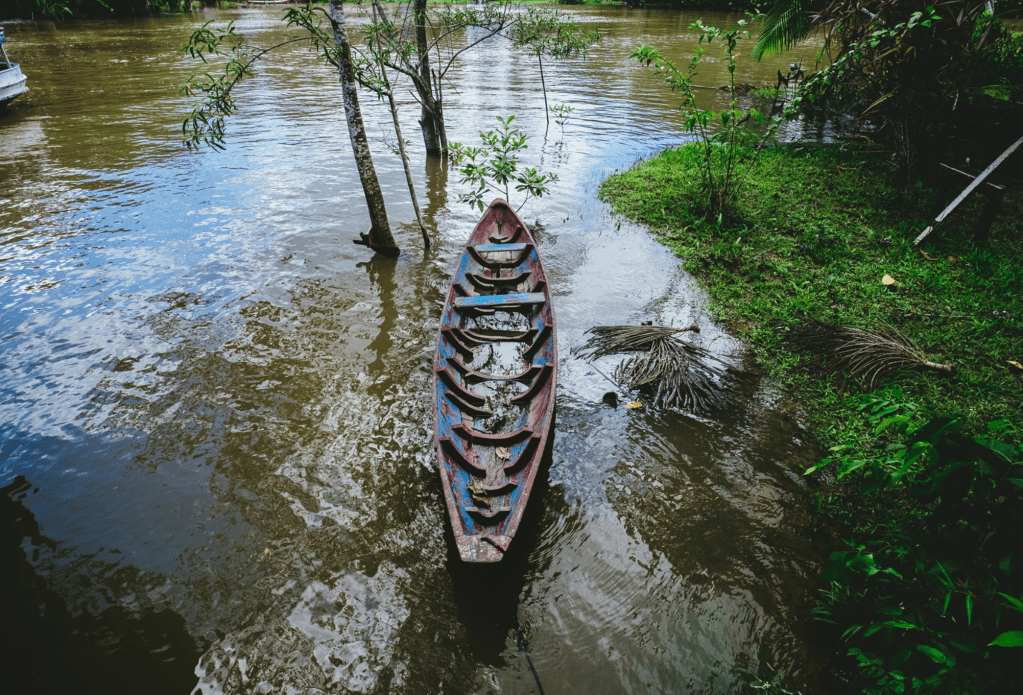
Damage Caused by Unwanted Floods
Human Suffering: Floods displace millions, leading to loss of lives and livelihoods. They disproportionately affect vulnerable communities, including farmers and low-income urban dwellers. Agricultural Loss: Floodwaters destroy crops, submerge farmland, and disrupt planting cycles, causing food insecurity and economic hardship for farmers. Infrastructure Damage: Roads, bridges, schools, and hospitals are often damaged or destroyed, hampering recovery efforts and economic activity.
Waterborne Diseases: Stagnant floodwaters create breeding grounds for mosquitoes and other disease vectors, leading to outbreaks of cholera, dengue, and other illnesses.
Economic Impact: The cumulative economic losses from floods are staggering, affecting industries, agriculture, and overall national productivity.
Prevention Measures
Improved River Management: Regular dredging of rivers to enhance their capacity. Strengthening and repairing embankments and dams.
Afforestation: Promoting tree plantation programs in upstream regions to reduce soil erosion. Increasing mangrove cover along coastal areas to act as natural barriers against storm surges.
Urban Planning: Developing efficient drainage systems in cities to prevent waterlogging. Enforcing strict building codes to avoid construction in flood-prone areas.
Climate Resilience: Investing in early warning systems for floods and cyclones. Promoting adaptive farming techniques, such as flood-resistant crop varieties. Collaborating with neighboring countries to manage shared river systems and reduce upstream impacts. Participating in global climate initiatives to mitigate the effects of climate change.
Community Awareness and Preparedness: Conducting training programs on flood preparedness and response.
Ensuring accessible shelters and relief supplies in flood-prone regions.
Recent Efforts and Challenges
The government of Bangladesh, along with international organizations, has implemented several projects to mitigate the impacts of floods. These include the construction of flood control structures, implementation of community-based flood management programs, and initiatives to enhance climate resilience. However, challenges remain in terms of funding, coordination, and addressing the root causes of floods. Unwanted floods in Bangladesh are a complex issue that requires a multifaceted approach for mitigation. Addressing the root causes, such as climate change and poor infrastructure, while empowering communities with knowledge and resources, is crucial. With effective planning, sustainable practices, and international collaboration, the devastating impacts of floods can be significantly reduced, ensuring a safer future for the millions living in this vulnerable region.
Author is a Managing Editor,
The Environment Review
Email: mahmudkamalk@gmail.com
 envreview.com