
Najifa Alam Torsa

Water, with a deceptively simple chemical formula of H2O, is a vitally important substance in all part of the environment. Water covers 70% of the Earth’s surface. The quantity of water in various forms on or beneath Earth’s surface and in the atmosphere is enormous, amounting to about 1.4 billion cubic kilometers of liquid water. The uses of water are indescribable. From household to agriculture to industry, the most important element is water.In our day to day life, we have to contain or reserve water to use it properly. In our modern life, we are using lots of methods to reserve water. As a main means of water reservation, plastics are mostly used substances.
There goes a myth “Bottled water is purer than tap water”. Years ago, people started using plastics to reserve water as they started believing in these myths. Engineer Nathaniel Wyeth patented polyethylene terephthalate (PET) bottles in 1973. The first plastic bottles able to withstand the pressure of carbonated liquids, they were a much cheaper alternative to glass bottles. In 1947, plastic bottles were first commercially used. From then on the use has been spreading drastically. Till date, we only think about the usefulness of plastic bottles. Globally, more than a million plastic bottles are sold every single minute. Now the beverages companies like Coca-cola, Nestle, Pepsico etc. are the main users of plastic bottles. Plastic bottles are used for their lightweight nature, different shapes and colors, cost effectiveness etc. For developing nations, plastic water bottles are like godsend. In rural communities where women and children have to walk miles to collect safe drinking water, plastic containers seem to be the best solution for them.
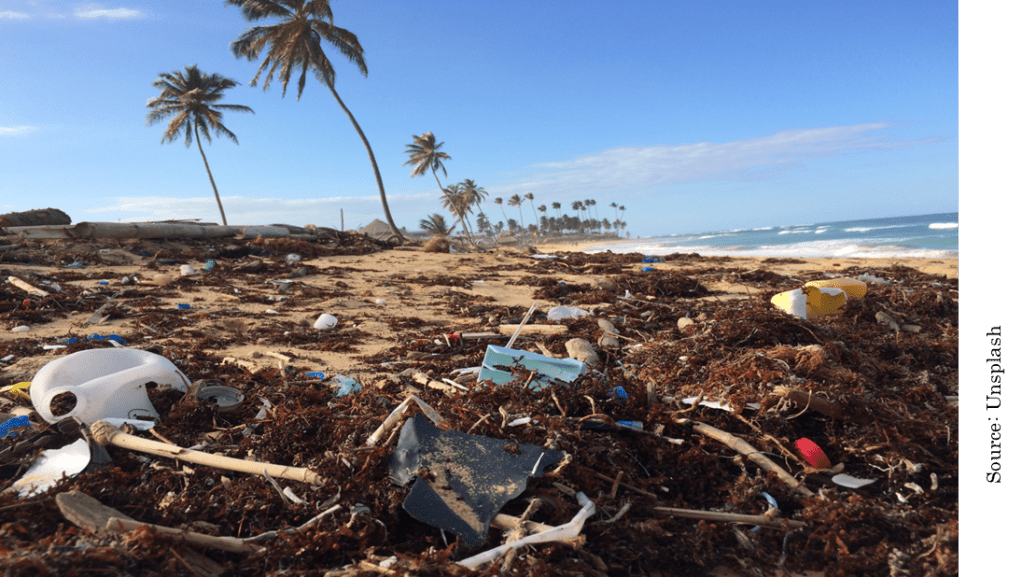
Apart from being a useful element in our day to day life, plastic bottles are conjuring the whole natural system. It is estimated that around 5 trillion plastics are floating in our oceans. Every year 8 million tons of plastics are dumped into oceans. Plastic kills over 100,000 sea turtles and birds every year. Plastic water bottles may act as an inadvertent trap or shelter for small fish and crustaceans, while larger animals may not get stuck inside the bottles, they do try to consume and break down anything that may contain prey. Even if larger marine animals manage to avoid eating plastic, they’re often consuming animals who have already ingested micro plastics. These toxic elements eventually work their way up the food chain while damaging all forms of marine life. Also human health is fundamentally linked with the oceans as 70% oxygen produced from the atmosphere is produced in the oceans. The colossal amount of plastic dumped into our oceans ends up getting inadvertently consumed by marine life, making its way into our food chain and our meals. Most of the food we source and consume from our oceans have all ingested plastic in one form or another. Throughout the world today, over 60 million water bottles are discarded every day, and it can take up to 700 years for a single plastic bottle to biodegrade. These bottles clog up landfills and need landfill space to bury the non-recyclable waste. Plastic waste has various negative consequences for the ecosystem. As plastic degrades, toxins are released into the water and air, posing a health risk to humans, plants, and animals. When the precipitation falls into the landfills where plastic is stored, it produces a toxic leachate considered as a major threat to the quality of our groundwater. On the other side, burning plastic can release carbon monoxide, furans and dioxins into the air. The polluted air when inhaled by humans and animals affects their health and can cause respiratory and cardiovascular problems, among others.
According to Statista, out of the top-8 plastic producers on the planet, five are Americans. The Changing Market Foundation released a report entitled as “Talking Trash: The Corporate Playbook of False Solutions” which states that the companies claiming to take active steps for solutions are actually working on obstructing the legislations to not to undermine their plastic production.
Talking about the uses of plastic bottles, there must be some nations that use or produce the most plastics. From different research it came to light that mostly the industrialized nations are the ones to produce and consume more plastics. While the United States and Mexico may consume the most per capita, we are not the world’s biggest polluter. That award goes to China, though the US is a close second, followed by Brazil, Indonesia, and Japan. Globally, we go through one million plastic water bottles per minute. Of that figure, some countries are consuming significantly more water bottles than others. The US, for example, goes through 1,500 plastic water bottles every second, whereas China consumes 2,156 bottles per second.
So what are the solution to these diverse plastic pollutions? If we stop demanding plastic water bottles, supply will decrease. Choosing plastic-free items like bamboo utensils, stainless steel bottles or glass containers for instance can be helpful. Trying to decrease the amount of garbage and sort correctly the items that cannot be reused. Participating in local clean ups can also be a solution and will encourage people to clean up. Telling people about the impacts plastics bottles are imposing upon the environment.
For the sake of our future generation, we should be aware of the fact that plastic water bottles are destroying our peaceful environment. And the best we can do for our mother nature is to be kind to her and make everything sustainable and eco-friendly.
Facts about plastic bottles
It takes three times the amount of water to make a bottle than to store it.
Plastic bottles are made using polythene terephthalate which requires a huge amount of fossil fuels to produce and transport.
It takes almost 2,000 times the energy to manufacture a bottle of water than it does to produce tap.
Plastic bottles require 450 years to decompose.
Recycling plastic saves twice as much energy than burning it in an incinerator.
Humans produce 20,000 plastic bottles in a second.
The amount of plastic bottle production every year is roughly equal to entire weight of humanity.
Last but not the least but certainly the most shocking is that nearly every piece o plastic ever made still exists today.
Author is a student
Department of Environmental Science & Engineering
Jatiya Kabi Kazi Nazrul Islam University
 envreview.com