
Amenah Manzoor
Introduction:
Climate change is an urgent global challenge with far-reaching implications, particularly in vulnerable regions like South Asia. The increasing frequency and intensity of extreme weather events, rising sea levels, and unpredictable precipitation patterns have resulted in substantial loss and damage across the region. This article explores the concept of loss and damage in the context of climate change and its profound impact on South Asian countries.
Understanding Loss and Damage:
Loss and damage refer to the adverse impacts and consequences of climate change that go beyond the ability of affected communities or countries to cope and recover through adaptation measures. It encompasses both tangible and intangible losses, including economic, social, and non-economic aspects. South Asian nations, such as India, Bangladesh, Pakistan, Nepal, and Sri Lanka, face unique challenges and vulnerabilities due to their geographical location and socio-economic characteristics.
Extreme Weather Events:
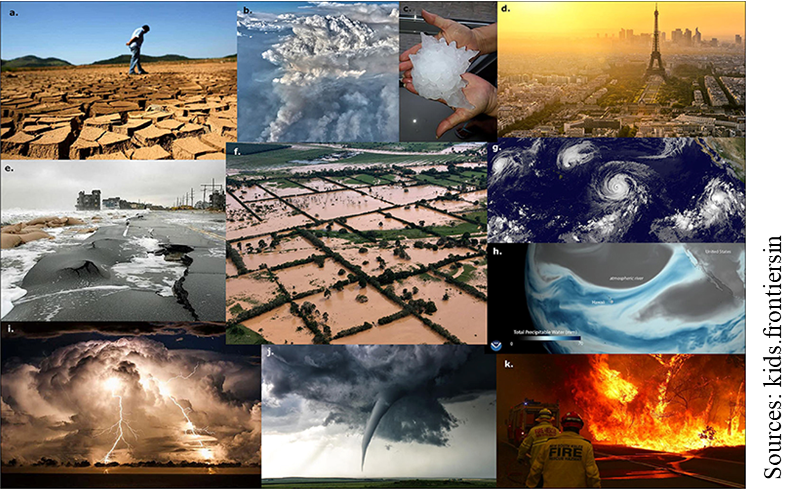
South Asia has experienced a surge in extreme weather events, including cyclones, floods, droughts, and heatwaves, which have led to significant loss of life and property. For instance, cyclones like Cyclone Amphan in 2020 and Cyclone Year in 2021 wreaked havoc in coastal areas of India and Bangladesh, causing widespread destruction and displacement. During 2022 Floods and inundation of varying intensity were recorded across other countries including Afghanistan, Bangladesh, India, Nepal, and Sri Lanka. This followed soon after a deadly heatwave in South Asia, where the highest temperatures were recorded in 122 years in parts of the region. These events can cause extensive damage to infrastructure, agriculture, and human settlements.
Environmental Losses:
Climate change can lead to irreversible damage to ecosystems and biodiversity. Rising temperatures, changing rainfall patterns, and habitat destruction can result in the loss of plant and animal species, deforestation, and degradation of natural resources. These losses have far-reaching implications for the functioning of ecosystems and the services they provide, such as water purification, carbon sequestration, and climate regulation.
Glacial Retreat and Avalanches:
The melting of glaciers due to rising temperatures contributes to glacial retreat, leading to the formation of glacial lakes and an increased risk of glacial lake outburst floods (GLOFs). Additionally, glacial avalanches can cause destruction and loss of life in mountainous regions.
Rising Sea Levels and Coastal Erosion:
The rising sea levels pose a severe threat to low-lying coastal areas of South Asia. Countries like the Sri Lanka, and Bangladesh are particularly vulnerable to sea-level rise, leading to saltwater intrusion, erosion of coastal land, and displacement of coastal communities. Low-lying coastal areas are at risk of inundation. Coastal areas, particularly along the Arabian Sea, are at risk from sea-level rise, coastal erosion, and increased frequency of cyclones.
Flooding:
Flooding typically occurs when prolonged rain falls over several days or when intense rain falls over a short period of time. Pakistan experiences frequent and devastating floods, primarily during the monsoon season. These floods result from heavy rainfall, melting glaciers, and poor drainage systems. In 2022 floods in Pakistan and Bangladesh affected many people, crops, and livestock. The floods cause loss of lives, displacement of communities, damage to infrastructure, destruction of crops, and contamination of water sources.
Heatwaves and Droughts:
Prolonged droughts and heat waves have negative consequences both for people and the environment. If both of these extreme events occur at the same time it may lead to wildfires, tree mortality, or crop losses. During the summer season in 2022, temperatures in India’s capital and parts of Pakistan have at times reached close to 50°C, killing dozens of people in both countries and upending the daily lives and livelihoods of students, laborers, and farmers. Droughts result in water scarcity, crop failure, and livestock losses.
Agriculture and Food Security:
Agriculture is a crucial sector in South Asia, providing employment and sustenance to millions. A recent study in June 2023 states that ” The most-affected countries are in Africa, North America, Latin America, South Asia, Europe, and Central Asia. In real terms, food price inflation exceeded overall inflation by 84.5% of 161 countries where data is available. Crop failures, loss of livestock, and reduced yields have led to food insecurity and economic hardships for farming communities.

Water Scarcity:
Changing precipitation patterns and melting glaciers affect water availability in South Asia. Some areas face water scarcity, which impacts agriculture, drinking water supplies, and sanitation. Irregular precipitation patterns, reduced snowfall, and increased evaporation, contribute to water scarcity.
Human Health and Livelihoods:
Climate change has adverse consequences for human health in South Asia. The region is witnessing an increase in vector-borne diseases, such as dengue fever and malaria, as changing climatic conditions create more favorable environments for disease-carrying mosquitoes. Furthermore, climate-related disasters and loss of livelihoods disrupt social systems and exacerbate poverty. Coastal communities may experience the loss of fisheries and livelihoods due to rising sea levels, ocean acidification, and coral reef degradation.
Economic Implications:
The economic implications of loss and damage in South Asia are substantial. “South Asia’s economies have been scarred by a combination of extreme shocks over the past three years, and the recovery remains incomplete,” said Martin Raiser, World Bank Vice President for South Asia. The cost of recovery and reconstruction after climate-related disasters puts a tremendous strain on national budgets and diverts resources from development initiatives. Moreover, the long-term impacts on key sectors like tourism, agriculture, and infrastructure hinder economic growth and perpetuate cycles of poverty. Vulnerable populations, particularly those in rural and marginalized communities, bear the brunt of the impacts, facing increased poverty, food insecurity, and displacement.
Cultural Loss and Displacement:
Climate change can also cause cultural losses and displacement of communities. Indigenous peoples and local communities may lose their traditional knowledge, cultural heritage, and connection to ancestral lands due to environmental changes. Additionally, the impacts of climate change, including sea-level rise and extreme weather events, can force people to migrate and relocate, leading to social and cultural disruptions.
Psychological and Emotional Impacts:
Loss and damage due to climate change can also have profound psychological and emotional effects on individuals and communities. The loss of homes, livelihoods, and community structures can lead to anxiety.
Ecosystem Degradation and Biodiversity:
South Asia is home to diverse ecosystems and rich biodiversity. Climate change threatens these ecosystems, leading to the loss of plant and animal species, habitat degradation, and disruption of ecosystem services like pollination and natural resource provision. Deforestation, habitat destruction, and pollution put pressure on ecosystems and reduce their ability to provide essential services. The loss of biodiversity affects ecosystem stability.
International Mechanisms and Climate Finance:
Recognizing the urgent need to address loss and damage, international climate negotiations have established mechanisms such as the Warsaw International Mechanism for Loss and Damage (WIM). The WIM aims to enhance understanding, support, and coordination for addressing loss and damage associated with climate change impacts. Access to climate finance is crucial for South Asian countries to implement adaptation and resilience-building measures.
Conclusion:
Loss and damage caused by climate change in South Asia pose significant challenges to sustainable development and human well-being. It requires collective action, strong governance, and international support to mitigate the impacts, enhance resilience, and provide adequate compensation for affected communities. Addressing loss and damage is crucial to ensuring a more equitable and sustainable future for South Asian countries and their vulnerable populations.
Author is a writer, Pakistan
Email: amenahmanzor@gmail.com
 envreview.com