
Zannatul Mouwa Naz
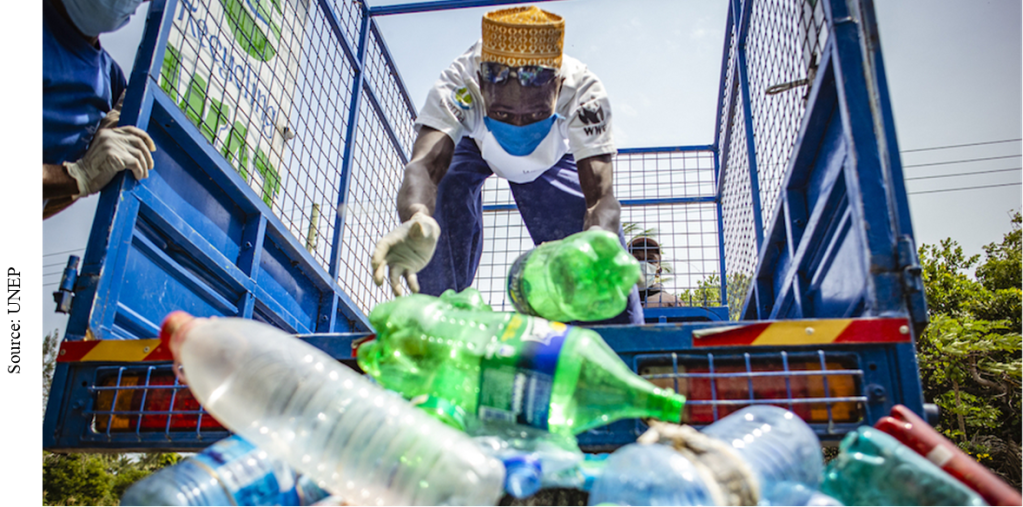
The word impossible is disappearing from the Bengali dictionary day by day. Because in this age of modern science, there is no impossible word. It is much easier for people to live now. Everything is available at hand if you want. Information technology has brought almost everything into our hands. But there seems to be a gap somewhere in the middle of so much modernity. As human civilization moves forward, we are facing some unresolved issues. People are polluting the environment in various ways. The most horrible of these is plastic pollution.
In 175, Alexander Park, a scientist, created the first plastic with a combination of cellulose, plasticizer, and other solvents. The plastics we use are made using fossil fuels such as oil, natural gas, etc. When these fuels are extracted from the mine, huge amounts of pollutants are emitted. Notable among these substances are carbon monoxide, carbon dioxide, benzene, and methane. These gases are called greenhouse gases. And greenhouse gases are responsible for global warming. As the temperature of the earth rises, the sea level rises as the Himalayan ice melts.
The effect of plastic in the greenhouse
The main component of all the plastic bottles we see is polyethylene. Studies have shown that one ounce of polyethylene produces five ounces of carbon dioxide. This means that we are releasing more pollutants into the air than we are producing. The demand for plastics for marketing various products is high in industrialized countries. As a result, it is easy to estimate the extent to which industrialized nations are polluting the environment.
Effects of Plastics on marine environmental pollution
These plastic wastes are causing environmental pollution somewhere, most of which is going to the ocean. In addition, the use of synthetic fibers in most fabrics has increased as they are relatively cheap.
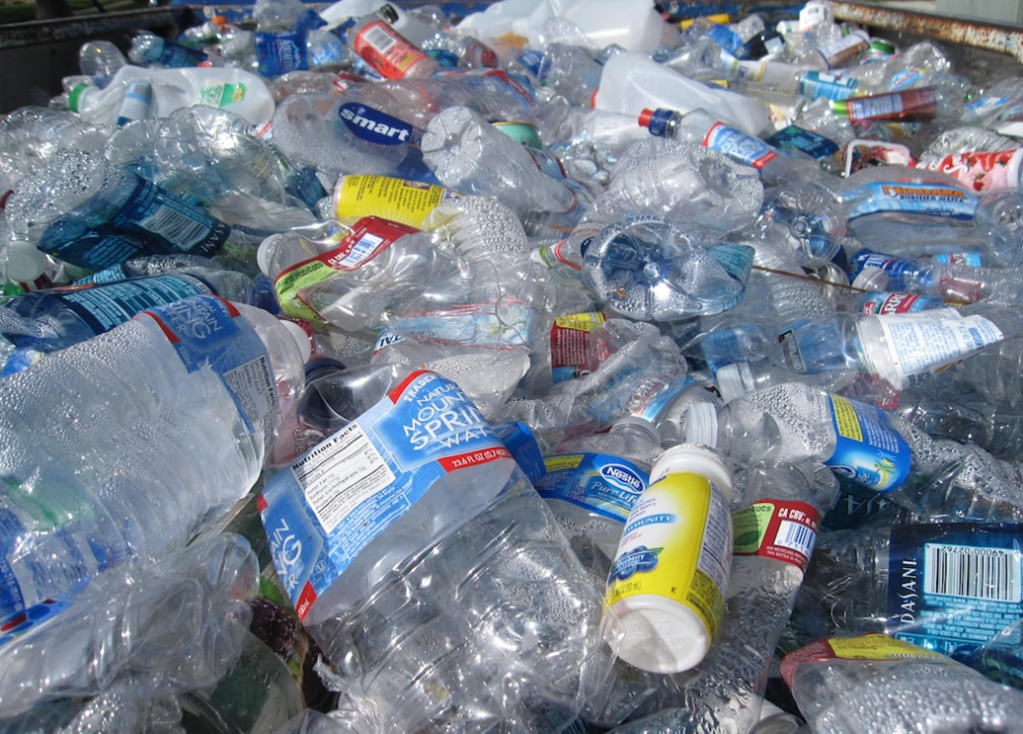
The United Nations recently released a grim picture. It is said that every year about 600 species of marine animals are infected with various waste products of marine vessels. And about 60 percent of these wastes are plastic, which calls into question our responsibility. Not only that, plastic products are becoming a hindrance to the reproduction of aquatic animals.
Harmful Effects of Plastic on migratory birds in Bangladesh
Migratory birds come to Bangladesh from different parts of the world in some seasons, especially in winter. These birds play a very important role in maintaining the balance of our environment. These birds have been officially banned from hunting for their free movement and breeding. But despite all this, the number of migratory birds is declining at an alarming rate. Studies have shown that about one million birds are exposed to plastic pollution every year. The reason given is that about 90 percent of the migratory birds have been found in the stomach of various indigestible plastic products. Scientists estimate that by 2050, about 99 percent of migratory birds will have plastic in their stomachs, which is a huge obstacle to the existence of these birds.
Impact of Plastics on environmental disasters
Some plastics take about a thousand years to decompose. And we know that things that take longer to disintegrate become a threat to the environment. In our civil society, even if there is little rainfall, its ill effects are easily noticed. Canals, drains, drains, etc. are filled with plastic waste. As a result, when there is little rain, water accumulates on the roads.
Harmful effects of plastic on the human body
Plastics have been affecting the environment as well as human health. The material used in the production of plastics is deadly and harmful to the human body. Plastic enters the human body in three ways. The general environment, such as through air and water, is a result of eating food (animals that eat plastic, such as fish), and through direct contact with plastic products.
Polyvinyl chloride or PVC plastic materials are – utensils, toys, water pipes, tiles, furnishings, children’s swimming pools, etc. Prolonged use can lead to cancer, birth defects, genetic mutations, chronic bronchitis, ulcers, deafness, skin diseases, and liver problems. Platelets or plasticizers such as shoes, printing ink, medical and laboratory equipment, etc. These can lead to problems such as asthma, cancer birth defects, hormonal changes, decreased sperm count, infertility, and reduced immunity.
Water bottles are made from a plastic called bisphenol. Using it can lead to cancer, disability, premature puberty, obesity, diabetes, etc. Cheese and yogurt containers, foam and hard plates, audio cassette housing, CD cases, building insulation, ice molds, wall tiles, trays, etc. contain polystyrene. The workers of these factories suffer from eye irritation, nose and throat discomfort, dizziness, fainting, and other problems.
Some effective steps in plastic pollution management
Bangladesh is the first country in the world to ban the use of plastics in 2002, and at a sea conference in New York in 2016, it voluntarily pledged to significantly reduce marine pollution by 2025.
The time has come to find a way out of this terrible crisis of the fauna. We must take action now on how we can overcome the climate crisis, albeit to some extent. In the first step, we have to get rid of plastics. If necessary, legal action has to be taken for this. Ordinary people should be encouraged to use jute products. In this way, jute will get back its lost heritage and our environment will also be protected.
Author; Executive Editor
The Environment Review
Email: zannatnaz19@gmail.com
 envreview.com